
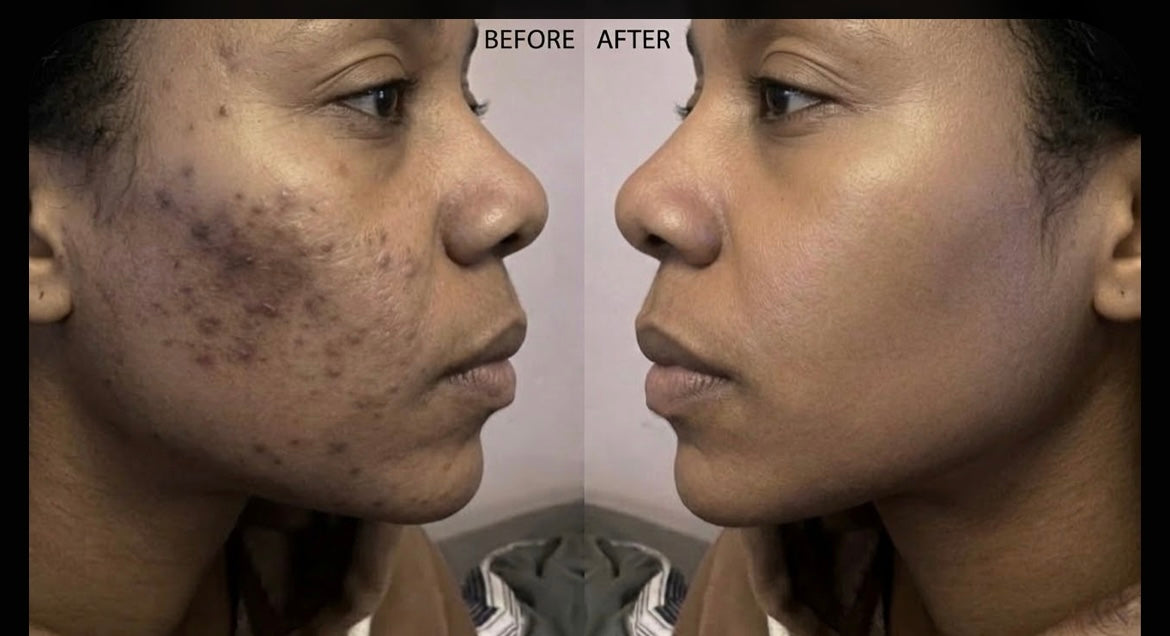
What to Expect When Treating Dark Spots: A Realistic Timeline for Results
One of the most common reasons people give up on brightening skincare is unmet expectations. They try a product for two weeks, don't see dramatic results, and move on. The truth is that fading hyperpigmentation takes time — and understanding why can make the difference between giving up and getting real results. Here's an honest, science-backed guide to what you can realistically expect.
Why Dark Spots Take Time to Fade
Your skin renews itself through a process called cell turnover — new cells form in the deeper layers and gradually migrate to the surface, where they shed. This cycle takes approximately 28–40 days in younger skin, and slows to 45–60+ days as we age.
Dark spots are caused by excess melanin deposited in skin cells. For a spot to visibly fade, those pigmented cells need to reach the surface and shed — while the active ingredients in your routine work to slow new melanin production in the layers below. This is why even the most effective brightening ingredients require weeks, not days, to show visible results.
The depth of the pigmentation also matters significantly:
- Surface-level spots (mild sun spots, early post-acne marks) respond fastest — often within 4–6 weeks of consistent treatment.
- Mid-depth pigmentation (established post-inflammatory hyperpigmentation, moderate sun damage) typically takes 8–12 weeks to show meaningful improvement.
- Deep pigmentation (longstanding melasma, deep dermal pigmentation) may take 3–6 months of consistent treatment, and some cases benefit from professional dermatological support alongside topical care.
Factors That Influence How Fast You See Results
Results aren't just about the products — several lifestyle and skin factors affect how quickly hyperpigmentation fades:
- Sun exposure: This is the biggest variable. UV light actively stimulates melanin production, directly counteracting the work your brightening actives are doing. Daily SPF 30+ is not optional — it's the foundation of any effective brightening routine. Without it, even the best ingredients will struggle to make lasting progress.
- Consistency: Skipping applications — even occasionally — slows results. Brightening actives like tranexamic acid and vitamin C work cumulatively. Missing days means missing the steady suppression of melanin production that drives visible change.
- Skin type and tone: Deeper skin tones tend to produce more melanin in response to inflammation or UV exposure, which can mean more pronounced hyperpigmentation. The same actives work effectively across all skin tones, but deeper pigmentation may simply take longer to fade.
- Hormonal factors: Melasma driven by hormonal changes (pregnancy, birth control, hormonal fluctuations) can be more resistant to topical treatment alone. Managing the hormonal trigger — where possible — alongside topical care improves outcomes.
- Ongoing inflammation: If you're still experiencing active acne, eczema flares, or other inflammatory skin conditions, new dark marks will continue forming. Addressing the root cause of inflammation alongside brightening treatment gives you the best chance of lasting results.
A Realistic Week-by-Week Timeline
- Weeks 1–2: No visible fading yet — this is normal. Actives are working at the cellular level to slow melanin production. Skin may feel more hydrated and balanced.
- Weeks 3–4: Early brightening in areas of mild discoloration. Overall skin tone may appear more even. This is when many people first notice a difference.
- Weeks 4–6: Visible fading of surface-level spots. Skin tone looks more uniform. New spots are less likely to form with consistent SPF use.
- Weeks 8–12: Significant improvement in moderate hyperpigmentation. Stubborn spots are lighter. Continued use maintains and builds on results.
- Months 3–6: Deep or longstanding pigmentation continues to improve. At this stage, many people find their skin tone has transformed meaningfully from where they started.
If you've been consistent with a complete brightening routine — including daily SPF — for 12+ weeks and see no improvement at all, it may be worth consulting a dermatologist. Some forms of pigmentation (particularly deep dermal melasma) respond better to in-office treatments like chemical peels or laser therapy used alongside topical care.
The most important thing to remember: progress is happening even when you can't see it yet. Trust the process, protect your skin from the sun, and stay consistent.
Start your brightening routine with clinically studied ingredients. Explore Eclipse Fade and Radiance C Elixir — or build your full routine with the Kintari Glow Ritual Kit.


